At least 9,000 Nazi war criminals escaped to South America at the end of World War II, according to documents recently revealed in Brazil and Chile. German prosecutors received special permission to examine the confidential documents, which reveal for the first time the number of Nazis who fled to South America. Some 5,000 escaped to Argentina, between 1,500 and 2,000 escaped to Brazil, some 500 to 1,000 made their way to Chile, and the rest went to Uruguay and Paraguay. The documents also exposed the fact that former Argentinean President Juan Peron sold no fewer than 10,000 blank Argentinean passports to ODESSA, an organization that helped establish and facilitate secret escape routes to allow SS members to avoid capture and prosecution as war criminals. Speaking to the British Daily Mail newspaper, Kurt Schrimm, 62, head of the central war criminal authority in Germany, said, These documents provide the hottest leads we have had for years. The German prosecution team hopes the stack of documents may lead them to the capture of some of the few escaped Nazis still alive. Every day that passes makes this less likely to happen, said Schrimm, but I dont want people in the future to say that we didnt try. The prosecutors believe the documents may also provide evidence about Nazis who returned to Germany, years after their initial escape. Especially intriguing are details regarding the routes used by 800 Nazi murderers, who also escaped using passports provided by the Vatican. Schrimm and his team said that an escape pattern was beginning to become apparent in which the Nazi criminal would almost always first enter the South American country on his own, to be followed later by his family. Since arriving in Brazil three weeks ago, the German team has been busy studying the thousands of documents stored in the archives in Rio de Janeiro. Immigration reports stored in the archive show that between 1945 and 1959 no fewer than 20,000 Germans moved to Brazil.
X
שיתוף כתבה
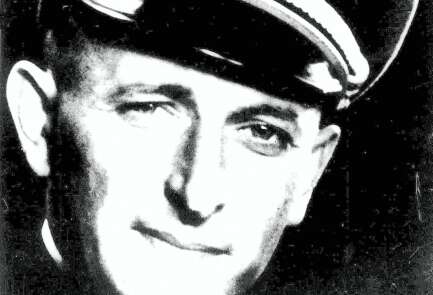
At least 9,000 Nazis escaped to South America after World War II
New documents show former Argentinean President Juan Peron sold some 10,000 passports to ODESSA, an organization that helped SS members avoid capture • German prosecutors hope documents will help apprehend some of the few escaped Nazis still alive.