The news of Intel's record $15 billion acquisition of Israel's Mobileye, which is expected to bring up to 5 billion shekels ($1.3 billion) in taxes into the state's coffers, came just before other welcome news on Monday, when Prime Minister Benjamin Netanyahu and Finance Minister Moshe Kahlon announced they are planning a series of major economic steps focused on tax cuts amounting to billions of shekels. A senior figure in economic circles said Monday, "It's still too early to assesses, and at any rate the framework of the deal [for Mobileye] hasn't yet been published, but it seems it has the potential to bring the state billions of shekels." Deals like the Mobileye exit are complicated, and both companies have estimated that it will take about nine months to complete the acquisition. Shortly after the Mobileye deal was announced, Netanyahu and Kahlon said they were planning billions of shekels in tax cuts in light of a tax surplus of some 3 billion shekels ($800 million). "In light of Israel's economic achievements last year, and their [Netanyahu and Kahlon's] desire to continue encouraging economic activity for the benefit of Israeli citizens, a joint plan will be put together to reduce taxes," they jointly announced. On Monday evening, the Prime Minister's Office and the Finance Ministry clarified that they had not yet worked out the details. The current assumption is that income tax for the middle class and corporate taxes will both be cut, and that value added tax will be lowered to 16%. The question of who will receive the windfall remains open, and ministers and MKs have a variety of suggestions. Transportation Minister Yisrael Katz said he would ask the Finance Ministry to invest tax revenues in the campaign to reduce traffic accidents and in making lifesaving systems available to all drivers in Israel. After the Mobileye deal was confirmed, co-founder and CEO Ziv Aviram called Katz and thanked him for his help in promoting the safety system and the issue of driverless cars. Katz congratulated Aviram and the two agreed to continue working together. Welfare and Social Services Minister Haim Katz also welcomed news of the deal and said that at the next cabinet meeting he would ask that some of the money from it be transferred to the budget for stipends for the elderly and disabled. "We're talking about a historic opportunity that might not come again, an opportunity to dramatically reduce the number of poor people in Israel," he said. Opposition Leader MK Isaac Herzog (Zionist Union) called on Netanyahu and Kahlon to invest the money in an emergency program to save the public health care system. Zionist Union MK Shelly Yachimovich said, "The tax surplus should be put into raising wages, national long-term care insurance, longer maternity leave, better professional training, and stronger social services that the public currently has to pay for out of pocket."
X
שיתוף כתבה
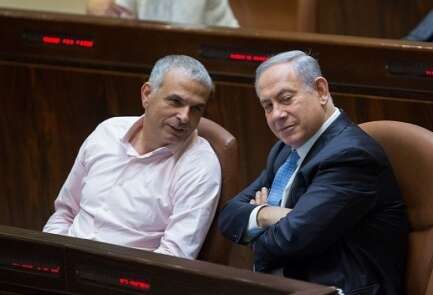
Mobileye sale expected to bring the state billions in taxes
Ministers, MKs rush to voice their opinions on where the money should go • Prime Minister Benjamin Netanyahu, Finance Minister Moshe Kahlon say they plan to cooperate on major tax cuts, primarily income taxes for the middle class and corporate taxes.