Thousands of Israelis, including public figures and MKs, participated in a march commemorating the 60th anniversary of the Kafr Qasim massacre on Saturday. The marchers waved pictures of the victims and demanded that the government reopen the investigation into the deadly clash, as well as officially acknowledge the tragic incident. The Kafr Qasim massacre took place on Oct. 29, 1956, when a Border Police force opened fire on dozens of the town's residents, believing they were in violation of a military-imposed curfew. Forty-nine people were killed, including women and children. The border police involved in the shooting were tried and sentenced to various prison terms, but all received pardons and were released within a year. "Enough of the apologies," the protesters chanted, "Enough of the State of Israel's disrespect." Kafr Qasim Mayor Adel Badir, said: "We all yearn to live with honor. But the murder of the fallen is not forgiven and not forgotten. We demand the government recognize the massacre and reveal the motive that caused the cold-blooded murder of 49 human beings." Meretz MK Issawi Frej, a resident of Kafr Qasim and head of the memorial committee for the massacre, said, "I am a grandson of the slain. My maternal grandfather was killed, my paternal grandfather was injured, and my uncle was injured. My message is clear: After 60 years, it's time the State of Israel recognizes the massacre and takes responsibility for all that entails. The lessons of the massacre must be taught in Arab and Jewish schools for the benefit of the future. We must use past injustices to strengthen Arab-Jewish ties." Referring to compensation given to the families in the past, Frej said, "It's a joke. They paid 5,000 liras per family in 1956." He was referring to the Israeli currency at the time. "The state recognizes the wounded as being injured in work-related accidents. We want to be recognized as victims of a hate crime and terrorism. It's not monetary compensation, but recognition which is most important to us. Accepting responsibility and guilt -- that is the cornerstone of good will toward the Arabs as citizens, and not as enemies. When they sentenced the 11 murderers, they released them only three years later after a pardon," he said.
X
שיתוף כתבה
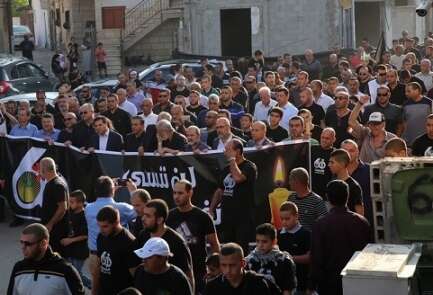
Thousands march in demand for recognition of Kafr Qasim massacre
At march marking 60 years since 49 residents were killed by Israeli troops, demonstrators call on government to officially acknowledge tragic incident • Kafr Qasim Mayor Adel Badir: The murder of the fallen is not forgiven and not forgotten.