The decision by popular Israeli pretzel company Bagel Bagel to relocate from a West Bank factory to a new site inside the Green Line has some tied up in knots. Unilever Israel, which owns Bagel Bagel, did not mention Israel's controversial new boycott law last Thursday when it announced its decision to move the food factory to the northern city of Safed from its previous location in southern Samaria. The Vered Hagalil chocolate factory, also owned by Unilever, already exists at the Safed site. According to a company spokesman, the move was made for logistical reasons and has been in the works since Unilever International acquired the company six months ago. Unilever Israel is a subsidiary of Unilever International, a British-Dutch multinational corporation that owns many consumer products in foods, beverages, cleaning agents and personal care products. Its reach expands to 150 countries. The boycott law makes the call to boycott an individual or company in Israel or the settlements a civil offense. Industries existing outside the Green Line also can face sanctions. Israel Unilever chairman Angelo Trocchia insisted that the relocation decision was purely a business move. Unilever has recently embarked upon a re-assessment plan regarding the location of the company's plants worldwide, he said. With its recent purchase of Bagel Bagel, it decided that it is in the company's best interest to place Bagel Bagel's factory next to that of Vered Hagalil in northern Israel, and thereby create a synergy within the food chain conglomerate and reduce costs. Trocchia said the move comes as part of a company decision to invest more resources in the Bagel Bagel brand. Bagel Bagel is one of our most successful brands, he said. The plant's relocation comes within the scope of our intention to further invest in the brand and see it grow. We believe that this specific plant's relocation will benefit Unilever as a whole and will intensify its prosperity and growth in the future.
X
שיתוף כתבה
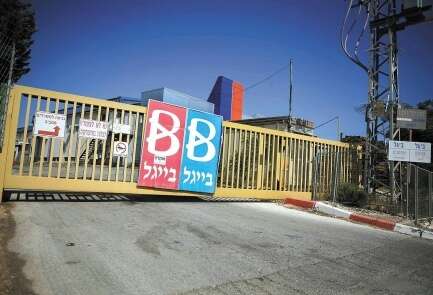
Fear of boycott? Bagel company to move inside Green Line
Popular Israeli pretzel company Bagel Bagel to relocate from a West Bank factory to a new site inside the Green Line • Company spokesman: Move was made for logistical reasons and has been in the works since acquisition by Unilever International.