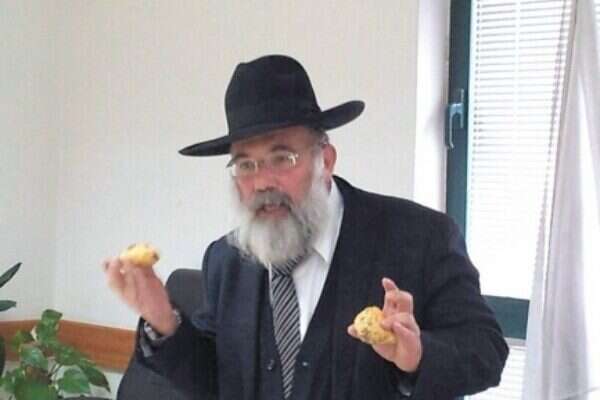
Members of the Chief Rabbinate's Kashrut Division called a meeting this week to discuss the problematic and potentially misleading shapes of an Israeli bakery staple: the puff pastry that is stuffed with various cheeses, meat or vegetable fillings. One such pastry, about the size of your palm and shaped as a triangle, is particularly worrisome, and the rabbis involved are seeking to alter its shape in order to differentiate between dairy, pareve (neither meat nor dairy) and meat fillings. Kol Chai Radio, which broadcast the unique discussion, reported that a number of bakers, pastry chefs and industrialists in the food industry were invited to the meeting alongside rabbis who certify eateries as kosher. The participants sat around a table laden with pastries and discussed the questions that arise from the pastry's geometry. Rabbi Hagai Bar Giora, who is chiefly responsible for industrial kashrut certification, displayed a number of differently shaped pastries during the discussion and explained the geometric differences: fingers, snakes, rounded phyllos and squares. Bar Giora explained that the need for the current discussion stemmed from a long list of complaints his office has received throughout the years from customers that have purchased such pastries and, unaware of their fillings, broke the laws of kashrut. Bar Giora addressed the physical separation between dairy and pareve pastries, and stressed the gravity of clearly delineating dairy products on the shelves. He offered an example of someone who is lactose intolerant mistakenly picking up a cheese pastry, believing it to be stuffed with potato. "That the cheese pastry is shaped like a triangle and the potato pastry is square has taken root in public consumer consciousness. We have received complaints from customers who bit into a triangular pastry under the preconceived notion that cheese was inside and discovered meat instead. Keeping kosher is of the utmost importance," said Bar Giora. Throughout the confab, events hall managers were criticized for serving triangular puff pastries stuffed with potato, and members of the discussion proposed changing the shape of the classic Turkish pastry. Ahead of the meeting, a number of rabbis prepared their own recommendations concerning the shape of pastries. For example, finger-shaped pastries that are filled with pareve items should be sealed, whereas dairy-filled pastries should remain open so that customers can actually see the cheese inside. Another rabbi proposed that pareve phyllo pastries should be round, while its dairy cousin should be triangular. As for cigar-shaped pastries, rabbis suggested that the pareve variety be noticeably longer than its dairy counterpart. Factory owners warned that many of the proposals were inviable on an operational level, either because of the baking process or concerns over the final product. The industrialists also insisted that the proposed laws of kashrut be enforced in bakeries and confectioneries nationwide. The Chief Rabbinate is expected to release a new set of procedural guidelines to help the public distinguish between the dairy and pareve fillings in like-shaped pastries, thus allowing customers to avoid breaking the laws of kashrut, and aiding those with lactose intolerance to avoid health issues.
Chief Rabbinate tackles quandary of pastry fillings
Chief Rabbinate convokes confab over problematic and misleading shape of popular puff pastries • Many customers have complained about discovering meat instead of cheese in their pastries • Industrialists: Many proposals here are inviable.
Load more...