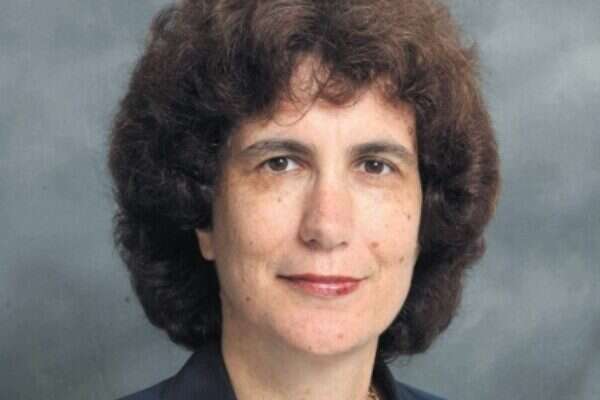
Four new Supreme Court judges were appointed on Friday despite the recent political storm over proposals to change the make-up of the Judicial Selection Committee and the selection process as a whole. Following a half-hour meeting at the Justice Ministry, the Judicial Selection Committee appointed district judges Noam Solberg, Zvi Zilbertal and Uri Shoham and academic representative Professor Dafna Barak-Erez as Supreme Court justices. Three of the appointments were approved unanimously by all nine members of the selection committee. Solberg's appointment was approved by eight members; Israel Bar Association representative and attorney Khaled Hosni Zoabi abstained from voting. Zoabi is the first Arab-Israeli appointed to the Judicial Selection Committee. Over the past few weeks, the Judicial Selection Committee has struggled to reach a consensus of seven out of nine members, as required by law, to select new supreme court judges. The heart of the debate between Justice Minister Yaakov Neeman's camp and outgoing Supreme Court President Dorit Beinisch's camp centered around the appointment of Solberg, a yarmulke-wearing settler who lives in Gush Etzion and is supported by many right-wing politicians. This is also likely connected to Zoabi's abstaining from the vote on Solberg. Solberg and Zilbertal will begin their terms soon, replacing Judges Ayala Procaccia and Edmond Levy, who both recently retired. Shoham will begin his term when Beinisch retires in February. Barak-Erez will replace Deputy President Justice Eliezer Rivlin when he retires at the end of May. If the Supreme Court continues to choose its president based on seniority, both Solberg and Barak-Erez are likely to fill the role in the future. Next month, the Judicial Selection Committee will appoint the new president, whom many predict will be Judge Asher Grunis. This was made possible by a new law, dubbed the "Grunis Law," that rescinds the requirement that a judge must have at least three more years left before retirement in order to be appointed president. In the days leading up to last Friday's selection committee meeting, members were locked in intense discussions in an attempt to reach a consensus. It was clear to Beinisch and her colleagues on the committee, Judges Miriam Naor and Grunis, that if new judges were not chosen at this point, it would create a heavier burden on the Supreme Court justices to work around the composition of the missing judges. A judicial source said on Saturday that after Beinisch understood that right-wing officials on the committee would not approve other selections without Solberg being included among them, Beinisch decided to vote in favor of his candidacy in exchange for the Zilbertal and Barak-Erez appointments. "The Barak-Erez appointment is a fair exchange of payment to the Right for the Solberg appointment," the same official said. Barak-Erez is known to support judicial activism and not only represents the academic world, but is also important because she is a woman. Following Beinisch's retirement, there will only be three women left in the Supreme Court. Shoham, who is of Iraqi descent, was chosen to ensure that a judge of Sephardi origin would be represented in court. The effort to ensure a Sephardi judge be appointed to the Supreme Court was led by Environmental Protection Minister Gilad Erdan. During this Judicial Selection meeting, the committee also discussed the candidacy of former Attorney-General Menachem Mazuz and former President of the Tel Aviv District Court Deborah Berliner, but decided not to appoint them this round.
Six weeks ago, Beinisch explained to a stormy selection committee session that Solberg is already publicly recognized as a rightist, and thus she could not possibly agree to his appointment. She did accede, however, that he is an appropriate judge in his qualifications.
The politics behind the appointment of Israel's new judges
Judicial Selection Committee achieves a compromise to appoint four new Supreme Court Justices • The Right gets Judge Solberg, a religious settler in exchange for the Left's appointments of Judges Barak-Erez and Zilbertal.
Load more...