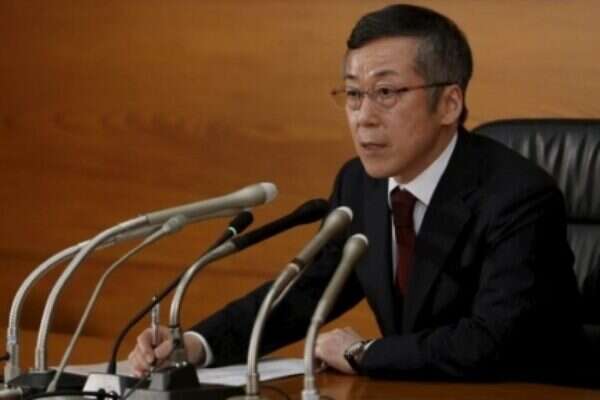
A Bank of Japan policymaker praised Nazi dictator Adolf Hitler's economic policies on Thursday, although he said they enabled the Nazi dictator to do "horrible" things to the world. Yutaka Harada, a member of the board of Japan's central bank, said Western policymakers had helped bring Hitler to power by being slow to apply British economist John Maynard Keynes' proposals to fight the Great Depression. Hitler became German chancellor in 1933. Speaking at a seminar on monetary policy in Tokyo, Harada said Hitler had taken "wonderful" fiscal and monetary stimulus steps, although these led to "something horrible for the world" as his strengthened grip on power led to the Holocaust and massive human casualties during World War II. "Because Hitler had taken appropriate fiscal and monetary policy steps, tragedy resulted. What I'm saying is that someone should have taken appropriate fiscal and monetary policy steps before Hitler did," said Harada, an academic-turned Bank of Japan policymaker. Fiscal policy involves setting government spending and tax rates, whereas monetary policy involves money supply and interest rates set by a central bank. A BOJ spokesman said the central bank could not comment as it was not aware of the details of Harada's remarks. Public figures in Japan, which was part of the World War II Axis powers with Germany and Italy, have sometimes caused controversy with favorable comments about some aspects of the Nazi regime. At the same time, however, Holocaust denial and neo-Nazi movements are essentially unknown in Japan.
Japanese Deputy Prime Minister Taro Aso drew criticism from a U.S.-based Jewish rights group over comments he made in 2013, but were later retracted, that were interpreted as praise for Germany's Nazi regime and Hitler's rise to power.
Japanese central banker praises Hitler's economic policies
The Nazi dictator took "wonderful" fiscal, monetary stimulus steps that led to "tragedy," Bank of Japan board member Yutaka Harada says • Japan was Germany's ally in World War II, but Holocaust-denial and neo-Nazi movements are almost unknown in Japan.
Load more...