A finger fragment from a statue of an Egyptian god or king was found in soil excavated from the Temple Mount, Israel Hayom discovered Sunday. Experts are currently analyzing the specimen, which apparently came from a statue originating in Egypt. A more thorough study needs to be conducted before it can be dated accurately. The soil in which the fragment was discovered was thrown into the Kidron Valley, which separates the Temple Mount from the nearby Mount of Olives, by the Jerusalem Islamic Waqf in 1999 after an illegal dig at the Temple Mount. The Waqf is an Islamic trust that controls and manages the current Islamic edifices on and around Al-Aqsa Mosque. The soil was gathered by archaeologists Dr. Gabriel Barkay and Zahi Dvira. They have been sifting the soil since 2004, discovering thousands of findings that shed light on the history of Temple Mount over thousands of years. Research is held under the academic auspices of the Institute of Archaeology at Bar-Ilan University and financed by the Foundation for Archaeological Advancement in Israel. Sifting site operations are funded by the Ir David Foundation, commonly known as Elad. "This is a broken piece of a life-sized figure of a person," said Dr. Barkay, "carved in Egypt and brought to the Land of Israel. It can be said with certainty that this is the little finger from the hand of a man, on which is also a fingernail. The statue was made of a hard black stone that originated in Egypt. The statue portrayed either a god or king. According to the type of black stone the statue is carved from, this is a statue that was brought from Egypt." The piece of finger was brought to archaeologists specializing in ancient art of the land of Israel. Barkay said that "the statue fragment might belong to Late Bronze Age Egyptian art [about 3,500 years ago] but the possibility that the statue dates to a later period is also being looked into." The soil sifting project revealed other findings that were brought from Egypt or influenced by Egyptian art. They include what is believed to be part of a man's shoulder from a statue, scarabs, stamp seals and Egyptian-style jewelry. These findings join others discovered in recent years in City of David digs, as well as findings attesting to the existence of an Egyptian temple at St. Stevens Basilica in Jerusalem dating to the 13th century BCE.
The Temple Mount Sifting Project, which is in danger of closing because of budget issues, is currently holding a mass fundraising campaign calling on the public to support the research and publication of the findings discovered over the years and help the project continue operating.
X
שיתוף כתבה
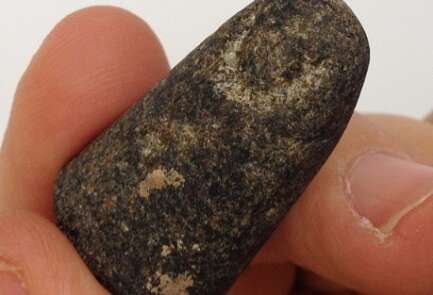
Finger from Egyptian statue found in Temple Mount excavation
Specimen found in soil illegally dug from Temple Mount 18 years ago • Statue possibly from Late Bronze Age 3,500 years ago • Temple Mount Sifting Project responsible for find in danger of running out of funds, holds public fundraising campaign.