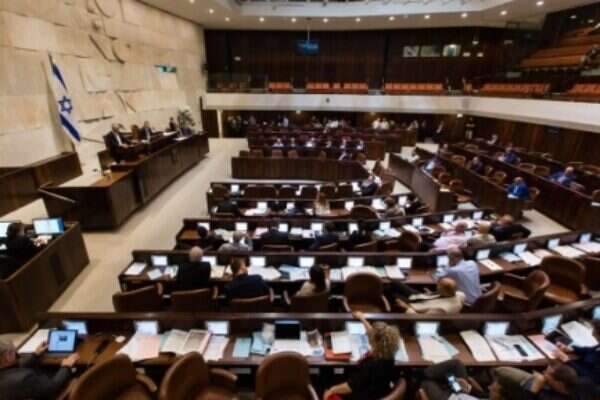
The 2017-2018 state budget passed its first Knesset reading on Wednesday, with 60 MKs voting in favor and 50 MKs voting against it. The two-year budget stands at 359 billion shekels ($94 billion) for 2017 and NIS 376 billion ($98 billion) for 2018. State deficit targets were set at 2.9% of gross domestic product for both years. "The biennial budget before you is a socially driven budget. It's supportive of the country as a whole -- not the Right or Left, not the coalition or the opposition. This is a social, balanced budget that will benefit the public," Finance Minister Moshe Kahlon told the Knesset ahead of the vote. "This budget facilitates growth, reducing social gaps, increasing public investment, reducing taxes and promoting all government ministries, especially those heading social issues," he said. One of the major budget articles provides an increase to the health care system's budget, to the tune of NIS 8.5 billion ($2.3 billion) across the next two years. Kahlon noted that the basic budget of Israel's health basket is expected to grow by NIS 500,000 million ($131 million) in each of 2017 and 2018. The education budget will be increased by 6.8% in 2018 to NIS 55.8 billion ($14.6 billion), while the welfare budget will be increased by 13.7% to NIS 7.4 billion ($1.9 billion).
'Social, balanced' biennial state budget passes first Knesset reading
Sixty MKs vote in favor, 50 MKs vote against 2017-2018 budget • Budget stands at 359 billion shekels ($94 billion) for 2017 and NIS 376 billion ($98 billion) for 2018 • Major boost for health care • Finance minister: This budget will benefit the public.
Load more...