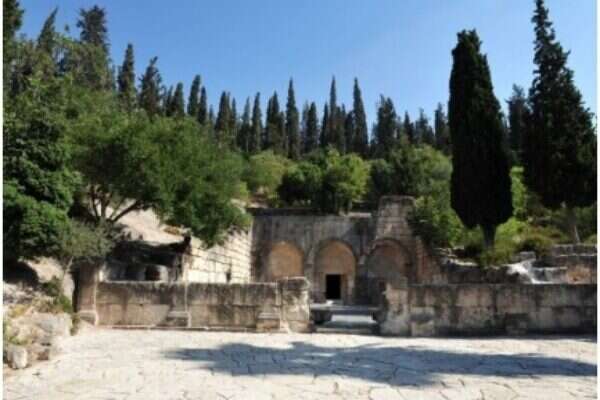
UNESCO is slated to discuss today the possibility of declaring the Beit Shearim National Park, located some 20 km (12 miles) east of Haifa in the foothills of the Lower Galilee, a World Heritage Site. The site dates back to the first century B.C.E. and was destroyed by fire in 352 C.E. Known as "the Mount of Olives for the ancient Jewish world," the necropolis features a system of more than 30 burial caves, one of which holds the grave of Rabbi Yehuda Hanassi. The city had a second life during the Byzantine era. Israel first proposed it for World Heritage status in 2002. In addition to the ancient archeological remains, the site is home to sculptor David Polus' bronze statue of Alexander Zaid, one of the founders of the Mandate-era Jewish defense organization Hashomer, and offers a number of hiking trails. Carmel Shama Hacohen, Israel's representative to UNESCO, the Organization for Economic Cooperation and Development and the European Council, was optimistic that Beit Shearim would finally be registered as a World Heritage Site in a "rare moment of softness and positivity." "Final approval and registration of a site are the end of a long journey that doesn't always reach its goal, certainly not when we're talking about an Israeli site. But it looks like the combination of minds and energy by the Foreign Ministry and the Education Ministry, the Israel Nature and Parks Authority, and efforts up to the very last minute, will guarantee good news for Israel from Germany," Shama Hacohen said.
Beit Shearim National Park might become World Heritage Site
Beit Shearim dates back to first century B.C.E., was destroyed by fire in 352 C.E. • Necropolis features over 30 burial caves • Visitors can also enjoy monument to Hashomer founder Alexander Zaid, hiking trails. Israeli UNESCO envoy expects "good news."
Load more...