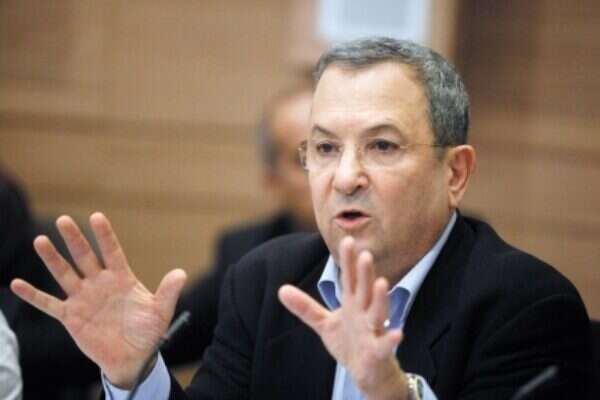
Defense Minister Ehud Barak joined a special meeting of the Knesset Finance Committee on Tuesday to reiterate his opposition to cutting the defense budget, which has been proposed as a solution to meet the demands of this summer's social justice protests. "We can't gamble with Israel's security policy," Barak told the committee. "If we make a mistake with respect to our security, it will be one that we cannot repair. Either we are buried or we restore our strength." During the heated debate, Barak asked that the national budget be increased by NIS 7 billion ($1.9 billion) to NIS 8 billion ($2.16 billion) a year over five years, for a total rise of NIS 35 billion ($9.45 billion) to NIS 40 billion ($10.8 billion). The rise constitutes 0.9 percent of gross national product. Barak said that without the increase, we will not be able to reconcile the needs of the defense establishment with the demands of the social protests in light of the global recession." To address the demands of the social protesters, Prime Minister Benjamin Netanyahu created a committee headed by economist Professor Manuel Trajtenberg, which last month issued a series of recommendations designed to alleviate the average Israeli's financial burden. According to Barak, expanding the state budget will allow us to manage the defense budget in a responsible manner, fulfill the Trajtenberg recommendations, provide free education from the age of 0 and provide a solution for the housing shortage through affordable housing." In addition, Barak reiterated his opposition to the government s cutting the defense budget in 2012 by NIS 2 billion ($540 million) and the intended additional cut of NIS 3 billion ($810 million) in 2013, in accordance with the Trajtenberg Committee's recommendations. Barak said the defense establishment was already receiving less funding that it had been promised by the 2007 Brodet Commission report, which stipulated the minimum amount that the defense establishment could receive. Brodet declared that the defense establishment would receive NIS 100 billion ($27 billion) for its 10-year budget in exchange for streamlining its operations by NIS 30 billion ($8.1 billion). Barak suggested that the defense establishment receive "a realistic Brodet" plan, and also rejected Finance Minister Yuval Steinitz's claim that much of the funds granted to the Defense Ministry were wasted or mismanaged. Barak also took the opportunity to remind those present of the multiple threats Israel faces. "Many situations can occur in the Middle East that would force Israel to protect its interests and defend itself without relying on foreign assistance," he said. He also said the outcome of the Arab Spring remained unclear. He warned that cutting the defense budget could also affect the amount of financial assistance Israel received from the U.S. But Steinitz responded, "The populist suggestion to breach our budgetary framework is likely to lead Israel into an economic decline and mass unemployment." Coalition Chairman MK Zeev Elkin said that the government had already decided to cut the defense budget and would not increase the national budget. Finance Committee Chairman MK Moshe Gafni noted, "The state of Israel is at a crossroads and these are important decisions." MK Fania Kirshenbaum said, "Someone has to pay the price for waste," but noted that she was personally opposed to cutting the defense budget.
Barak: We can't gamble with Israel's security policy
Defense minister seeks increase in state budget of NIS 7 billion to NIS 8 billion a year over five years • Finance Minister Yuval Steinitz: Populist suggestion to breach budget framework is likely to lead to economic decline.
Load more...