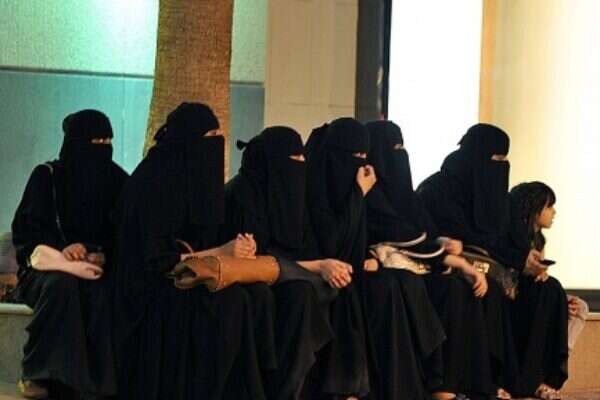
Saudi Arabian women will be able to vote in parliament elections and will be allowed to stand for election themselves to municipal councils and to the Shura Board, the king's religious advisory council, starting in 2015, Saudi Arabias King Abdullah bin Abdul-Aziz Al Saud told the Saudi parliament on Sunday. We can't ignore women and marginalize them, King Abdullah said in an announcement that came as a surprise to most Saudis. The announcement constituted a victory for women's rights groups in Saudi Arabia, and marks a significant shift in the conservative and timeworn approach to women that has prevailed in the desert kingdom. Despite being hailed as a sign of the Arab Spring in Saudi Arabia, the move does not grant a full panoply of rights to women. Saudi women are still barred from driving, attending certain educational institutions, traveling for purposes of tourism, and receiving medical treatment without the approval of their husbands or other relatives. According to the Los Angeles Times, the king's announcement suggests that the ailing 87-year-old monarch is hoping to be remembered as a reformer, despite the fact that he has made only modest inroads on human rights. King Abdullah built the country's first coeducational university and granted 120,000 scholarships to students, many of them women, to study outside the country. All his moves were opposed by clerics and religious ultraconservatives within the royal family. Allowing women to vote is hugely significant, the Los Angeles Times quoted Saudi writer Lubna Hussain as saying. The king is implementing the reform promises he made when he became leader. It shows he is not willing to pander to religious fundamentalists
who are quite weakened and don't seem to have the voice they used to. The newspaper also reported that when it began to seem that the widespread protests across the Arab world would reach Saudi Arabia as well, the Saudi government promised to spend $130 billion on increasing salaries and on social and religious programs.
Like our newsletter? 'Like' our facebook page!
Saudi women get the vote but not much more
Saudi king allows women to vote in parliamentary elections from 2015 • Women also to stand for election to municipal councils and to kings advisory council • Women still barred from driving, tourism and medical treatment without male consent.
Load more...