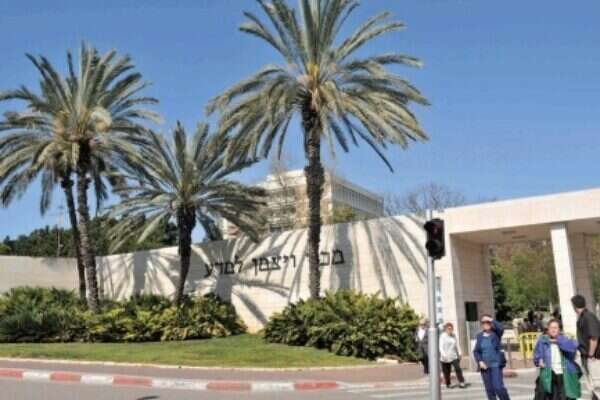
The town of Rehovot had the highest household income in 2012 at 16,800 shekels ($4,754) while Bnei Brak had the lowest at NIS 10,211 ($2,890). The highest expenditures per household were registered in Ramat Gan at NIS 11,954 ($3,383) per month while Bat Yam had the lowest at NIS 7,929 ($2,243). These data emerge from a survey of household incomes and expenditures carried out by the Central Bureau of Statistics for the year 2012. It surveyed the 14 largest cities in Israel with more than 100,000 residents. The survey covered 4,097 households, a representative sample of 1.1 million Israeli households. It included the cities of Jerusalem, Tel Aviv, Haifa, Rishon Letzion, Ashdod, Petach Tikva, Ramat Gan, Netanya, Holon, Bat Yam, Bnei Brak, Beersheba, Ashkelon and Rehovot. The income was calculated according to the average monthly income from all sources: work, capital gains, as well as allowances and subsidies. Last year this income was an average nationwide of NIS 13,829 ($3,913) after taxes. The average spending per month was NIS 10,751 ($3,042). The survey reveals that most Israeli households are in the black in terms of their bank accounts. In other words, their net income is higher than their net spending for household consumption. However these data are slightly misleading because the surplus comes from taking out loans and receiving various allowances and subsidies. If you bracket the allowances and subsidies from Israeli bank accounts, most households are in chronic overdraft. In terms of per capita income and spending, Tel Aviv comes in first place with NIS 6,687 ($1,892) and NIS 5,320 ($1,505) respectively. In Bnei Brak, the income and spending per person were lowest, at NIS 2,280 ($645) (half the minimum wage) and NIS 1,969 ($557) respectively. Statistics reveal that 67.9 percent of Israeli households live in a home they own. In other words, two-thirds of households own their apartments or houses. Twenty-seven percent of those surveyed rent their home. Rishon Letzion has the highest percentage of home ownership at 73.2%, while Tel Aviv is lowest at 46.4%. Conversely, Rishon Letzion has the lowest proportion of renters and Tel Aviv the highest. Average for whom? Jerusalem, Bnei Brak and Ashdod have the highest household densities with more than one person per room. About 39.3% of households in these cities own apartments that they are paying mortgage on. The average monthly mortgage payment is NIS 2,965 ($839). Another fact to emerge from the study is that in Bnei Brak, about one fourth of income comes from allowances, as opposed to 7.4% in Ramat Gan. In Rehovot, reactions to the CBS study were mixed. The city's mayor, Rahamim Malul, said he was not surprised. "This is the third year in a row that Rehovot is first in the survey. This is a testament to economic stability. Over 30% of our populace are university graduates, so that the overall statistics paint a very positive picture." On the streets of Rehovot, the reactions are a bit different. "They cited the average, but whose average-" said Yossi Nisim, a resident of the city. They took into account the high incomes but not most of the population." Meanwhile, another survey reveals that two-thirds of Israeli workers earn less that the average salary. Half of these two-thirds earn a take-home salary of less than NIS 5,000 ($1,415). This is the result of a new study by the Knesset Information and Research Center that was presented on Tuesday at a special hearing of the Knesset Finance Committee headed by MK Nissan Slomiansky (Habayit Hayehudi) on the subject of Israeli wage gaps in the year 2012. The statistics reveal that just 32% of wage earners, one out of three, earned more than the average salary, which was NIS 9,149 ($2,589). It also emerged that the gross salary of 57% of employees earned less than NIS 7,500 ($2,122) per month. Their disposable income was even lower. On the other hand, about 6% earned more than NIS 25,000 ($7,075) per month. The chairman of the committee, Slomiansky, addressed the huge gaps: "We will not stand idly by in a situation where half of the employees in the job market earn NIS 6,541 ($1,851) and less, which does not allow them to live in dignity and comfort. We are happy that unemployment is diminishing but, on the other hand, when a man goes to work and comes home with 5,000 shekels, ($1,415) you can't live off of that." "Companies thrive and managers earn a fortune, but meanwhile poverty is spreading, and we have to deal with that." The commissioner for equal opportunity in the workplace at the Economy Ministry, Attorney Ina David Sultanovich, pointed out that there were also big gaps between Jews and Arabs. The director of the legal department of the Israel Women's Network, attorney Dana Naor Mande'el, said that "the state itself is a discriminatory employer. Women who work for the government are tantamount to volunteers." The person in charge of salaries in the Finance Ministry, Koby Amsalem, rejected the criticism and said that at present two-thirds of government workers are women.
Israel's richest city is ... Rehovot
Central Bureau of Statistics releases a survey of household income in country's 14 largest cities • Rehovot has highest income and expenditures per household while Bnei Brak has the lowest • Tel Aviv residents have the highest incomes per wage earner.
Load more...